
The Guide's Editorial Mission
Science Fiction, Fantasy and Horror Genre and Rating GuideThis flow traces the guide's movement from a personal reading project into a broad reference work for speculative-fiction readers.
increasing Bearing strength in each event
 decreasing
Bearing strength in each eventdecreasingPersonal Reading Project
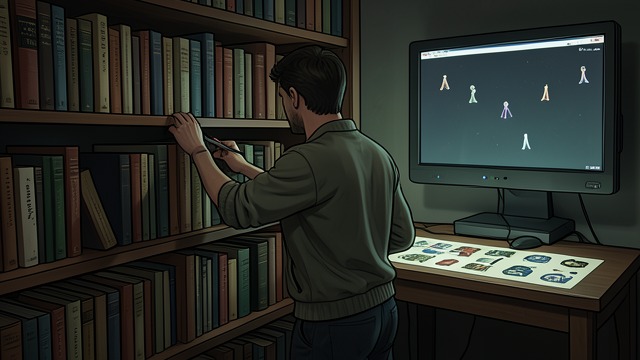
A Private Catalogue
Initial Purpose
The work begins as a practical reading aid rather than as a conventional literary history. Its organizing impulse is usefulness: readers need a way to locate stories, compare works, and identify material suited to particular interests.
Expanding Scope
The catalogue gradually becomes more ambitious. It gathers novels, stories, collections, anthologies, magazines, interviews, excerpts, and critical material, turning an individual record into a large navigational system.
The significance of this opening lies in its modesty. The guide does not claim to replace reading; it tries to make reading more deliberate and more accessible.
Reference Work Formation
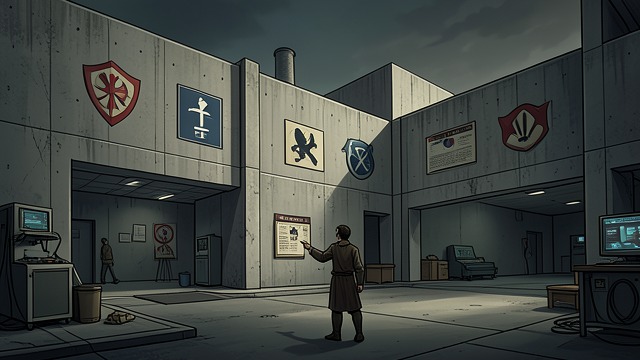
From List to Reference
Accumulating Records
Each entry adds another unit to the developing reference structure. Authors are placed beside titles, formats, genres, ratings, and availability notes, so that the catalogue becomes more than a simple bibliography.
Practical Architecture
The work's structure lets readers move through literature by several routes at once. They can follow an author, a genre, a format, a score, or the presence of a free edition.
That layered architecture gives the guide its central identity. It is simultaneously a reading list, a classification system, and a map of literary possibility.
Reader Navigation System
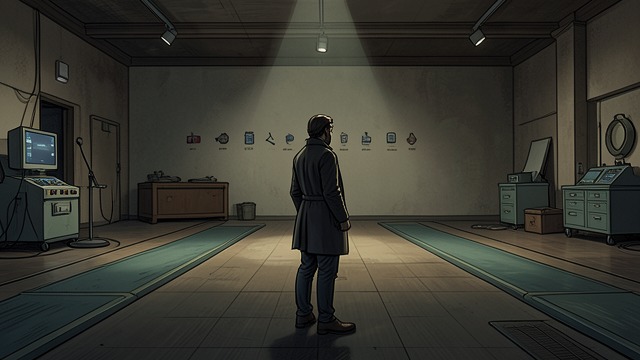
A Map for Future Reading
Directed Choice
The finished guide encourages readers to choose with greater awareness. A rating can suggest quality, a genre code can indicate expectation, and a format code can distinguish a novel from a fragment or reference item.
Open-Ended Use
The catalogue remains open rather than prescriptive. Its value comes from the number of possible paths it creates, allowing different readers to build different journeys through speculative literature.
The guide therefore resolves its initial problem without closing it. It does not provide one definitive canon; it provides tools for continued discovery.
at the guide's opening
after the opening definitions
near the guide's conclusion
